
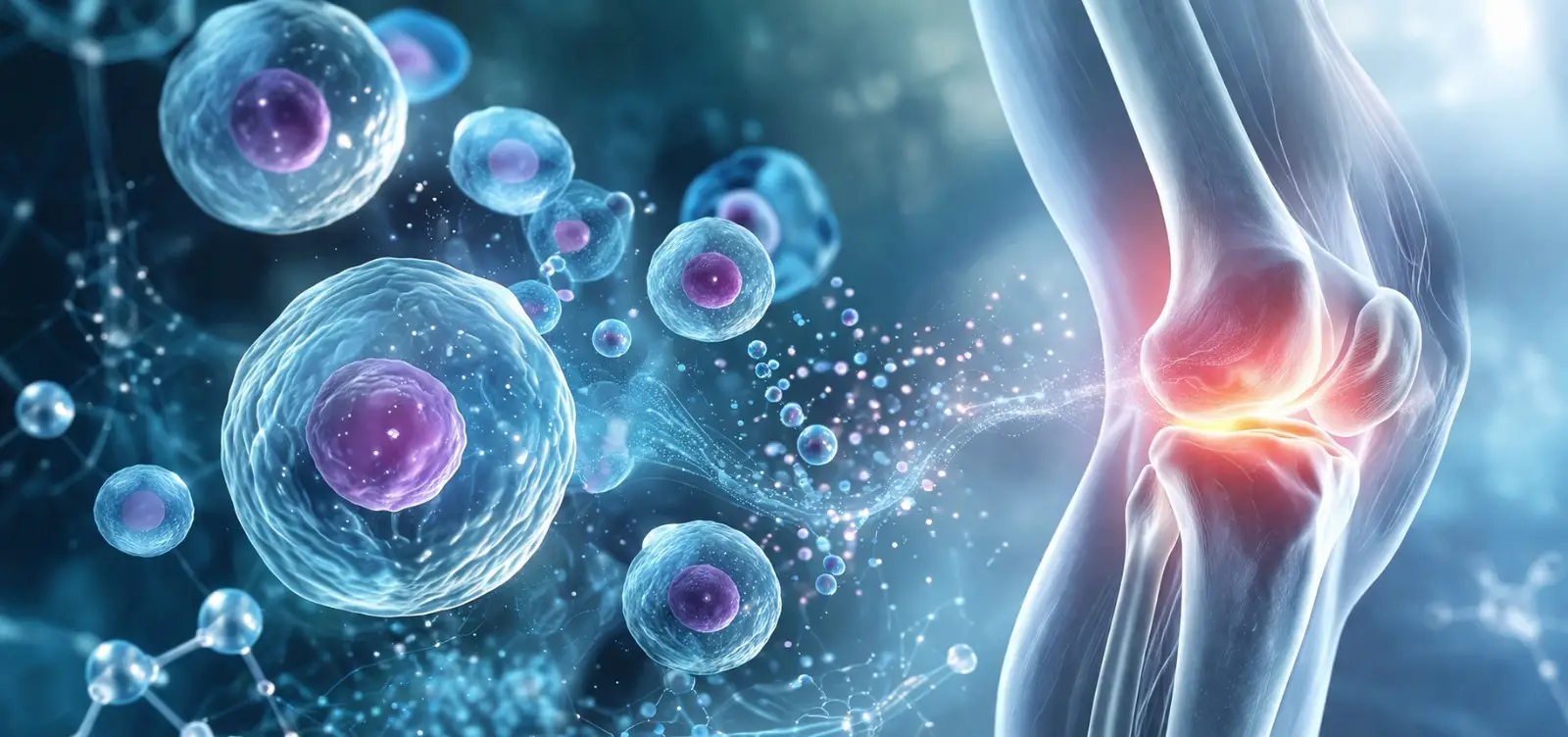
PRP (platelet-rich plasma) is one type of orthobiologic treatment. Orthobiologics is a broader category that includes PRP as well as other regenerative therapies that use natural biological materials to support healing. While PRP focuses on concentrated platelets from your blood, other orthobiologics may involve different components designed to enhance tissue repair and reduce inflammation.
Microfat grafting involves using a small amount of your own fat tissue, which contains regenerative cells and healing factors, to support tissue repair. Unlike traditional “stem cell therapy,” which is often marketed broadly, microfat grafting uses minimally processed tissue in a way that aligns with current medical guidelines. Your provider will determine the most appropriate option based on your condition and goals.
Many regenerative procedures use your body’s own cells and are considered FDA-compliant, but their use for certain conditions may be classified as off-label. This is common in many areas of medicine. All treatments are performed following current safety standards, and your provider will explain how they apply to your specific situation.
The best way to determine if you’re a candidate is through a consultation. In general, patients with mild to moderate joint pain, soft tissue injuries, or early degeneration may benefit most from regenerative therapies. We’ll evaluate your condition, medical history, and goals to recommend the most appropriate treatment plan.
Orthobiologic treatments are typically considered elective and are not covered by most insurance plans. However, many patients choose these therapies as a way to potentially reduce the need for surgery or long-term medication. We’ll review costs and available options with you during your consultation.
Most regenerative procedures are performed in-office and involve collecting a small sample of your own blood or tissue, processing it, and then precisely injecting it into the targeted area. The process is typically minimally invasive and designed to support your body’s natural healing response.
Recovery time is generally short compared to surgery. You may experience mild soreness or swelling for a few days after the procedure, but most patients return to normal daily activities within 24–48 hours. Your provider may recommend temporarily limiting strenuous activity to optimize healing.